PRODUCT GROUPS

Please contact immediately for all your questions, requests and needs...

 0850 480 80 84

WE
THANK YOU
30th YEAR
As Pimak family, we thank our valued customers and associates. Hoping to be and stay together by adding quality and value to our business ...
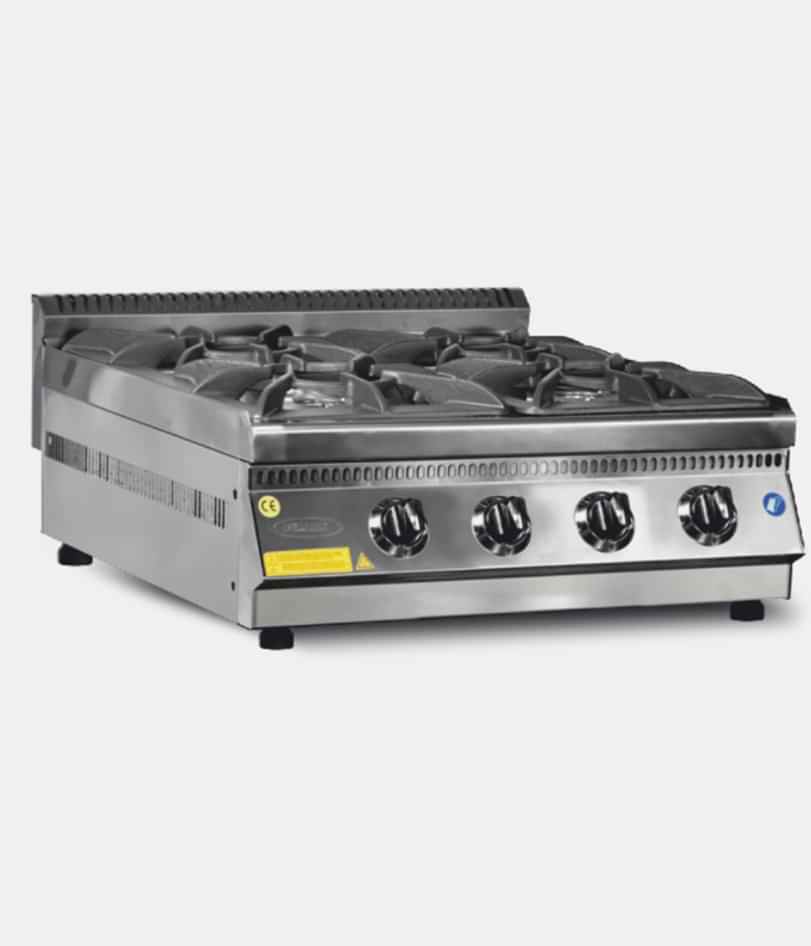
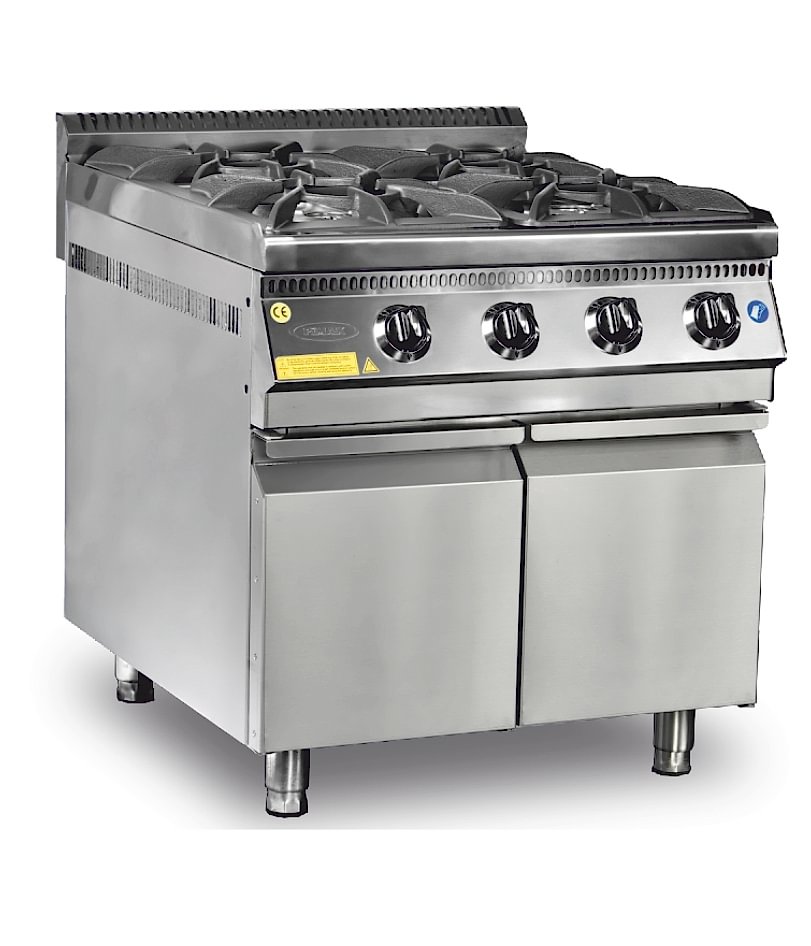
Industrial Stove
Pimak industrial stove solutions are designed for businesses that need high performance, durability, and efficiency in professional kitchens. Manufactured for intensive use in restaurants, hotels, cafes, catering facilities, and other commercial kitchens, our industrial stove models offer powerful cooking capacity, long-lasting construction, and practical functionality. With Pimak quality, these products provide reliable and effective solutions for the daily demands of modern food service operations.
An industrial stove is a heavy-duty cooking appliance designed for professional kitchens that require consistent performance, high heat output, and long-term durability. Unlike standard household stoves, industrial stove models are built to handle intensive daily use, larger cooking volumes, and faster service demands. They are typically manufactured with stronger materials, more powerful burners, and a structure that supports continuous operation in busy food preparation environments.
The main difference between an industrial stove and a domestic stove lies in capacity, durability, and efficiency. While home stoves are suitable for limited daily cooking, industrial stoves are developed for commercial operations where speed, precision, and reliability are essential. In professional kitchens, they play a central role by helping chefs and kitchen staff maintain workflow, prepare multiple dishes at the same time, and deliver consistent cooking results throughout the day.
Industrial stoves are an essential investment for many types of businesses. They are widely used in restaurants, cafés, hotels, catering companies, industrial kitchens, and bakery or pastry kitchens. Any business that needs dependable cooking equipment for high-volume food production can benefit from a professional solution. With Pimak industrial stove systems, businesses can achieve a more efficient, organized, and productive kitchen environment.
Choosing the right industrial stove is an important decision for any professional kitchen. The ideal model should not only match your cooking volume, but also support speed, safety, energy efficiency, and daily workflow. A well-selected stove can improve kitchen performance, reduce downtime, and help your team work more effectively during peak service hours.
When evaluating an industrial stove, it is important to consider the specific needs of your business. The right choice depends on the type of food you prepare, the intensity of use, the available kitchen space, and the number of dishes that need to be cooked at the same time. For this reason, businesses should look beyond price alone and focus on long-term performance and operational value.
Here are the main factors to consider when choosing the right industrial stove:
At Pimak, we understand that every commercial kitchen has different requirements. That is why our industrial stove solutions are designed to combine durability, performance, and practicality for a wide range of professional food service environments. Choosing the right Pimak industrial stove means investing in equipment that supports your business today and grows with your operational needs tomorrow.
Industrial stoves are available in different configurations to meet the diverse needs of professional kitchens. The right model depends on your cooking style, service volume, energy preferences, and kitchen infrastructure. From traditional gas systems to modern induction technology, each type offers specific advantages for commercial food preparation. Choosing the most suitable option helps improve efficiency, consistency, and overall kitchen performance.
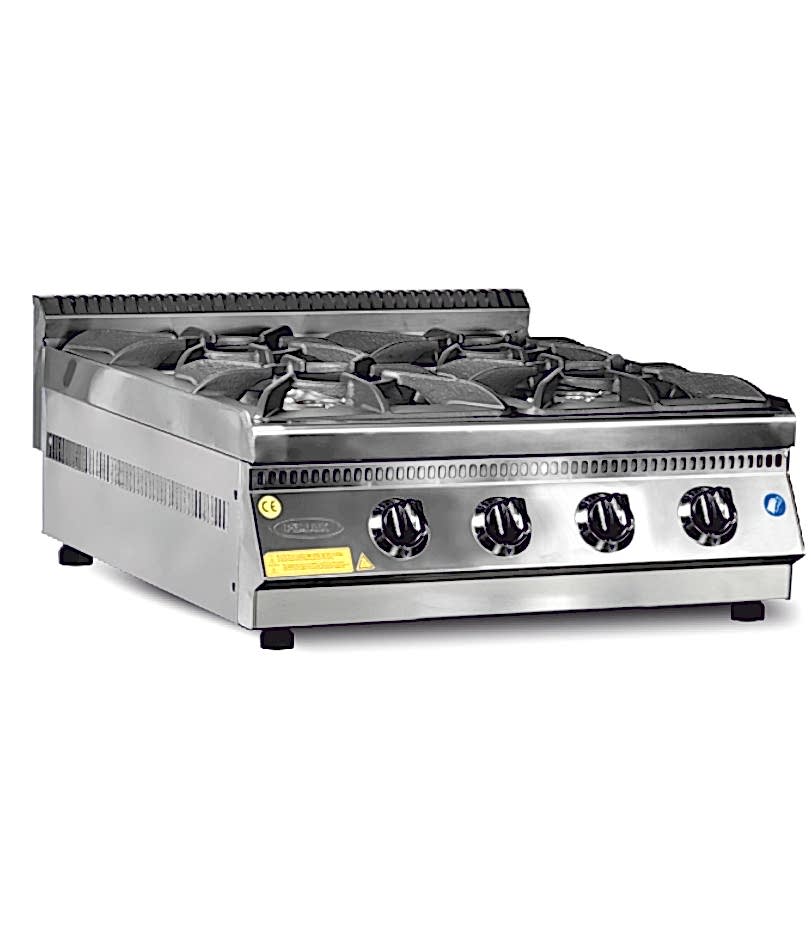
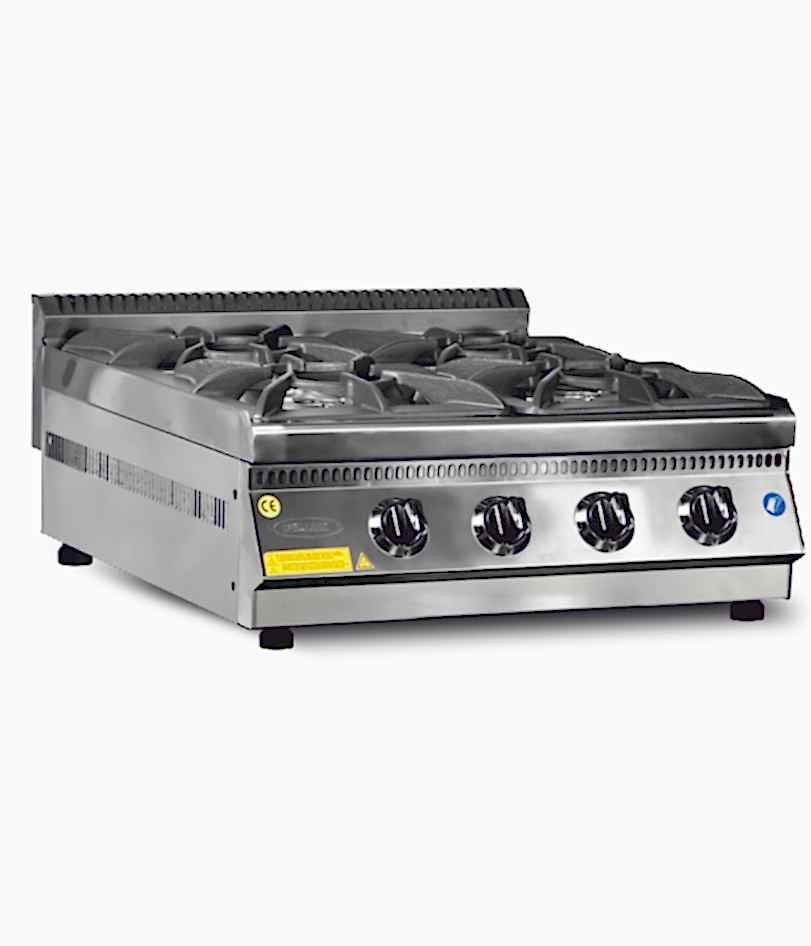
Gas industrial stoves are among the most preferred solutions in professional kitchens thanks to their strong heat output and instant temperature control. They allow chefs to adjust the flame quickly, making them ideal for fast-paced cooking environments where precision and speed are essential. Gas models are especially suitable for restaurants, hotels, and catering operations that require continuous and intensive use throughout the day.
Another key advantage of gas industrial stoves is their reliability in high-volume cooking. They perform well with a wide variety of cookware and cooking techniques, from boiling and sautéing to simmering and searing. For businesses looking for traditional cooking performance combined with commercial durability, Pimak gas industrial stoves provide a dependable and efficient solution.
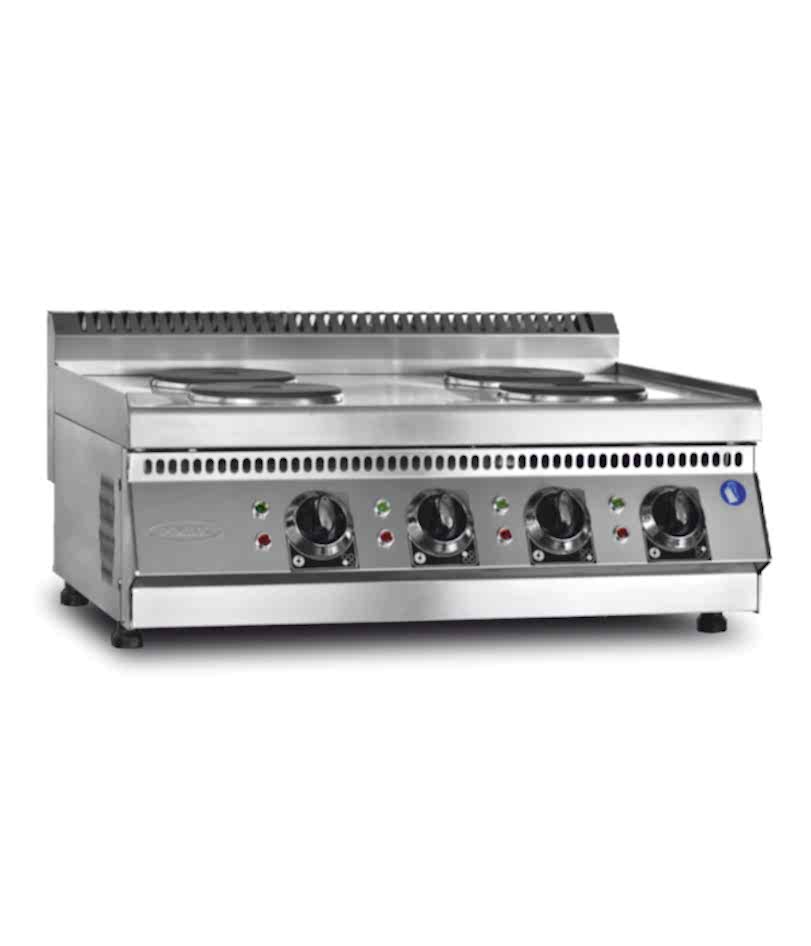
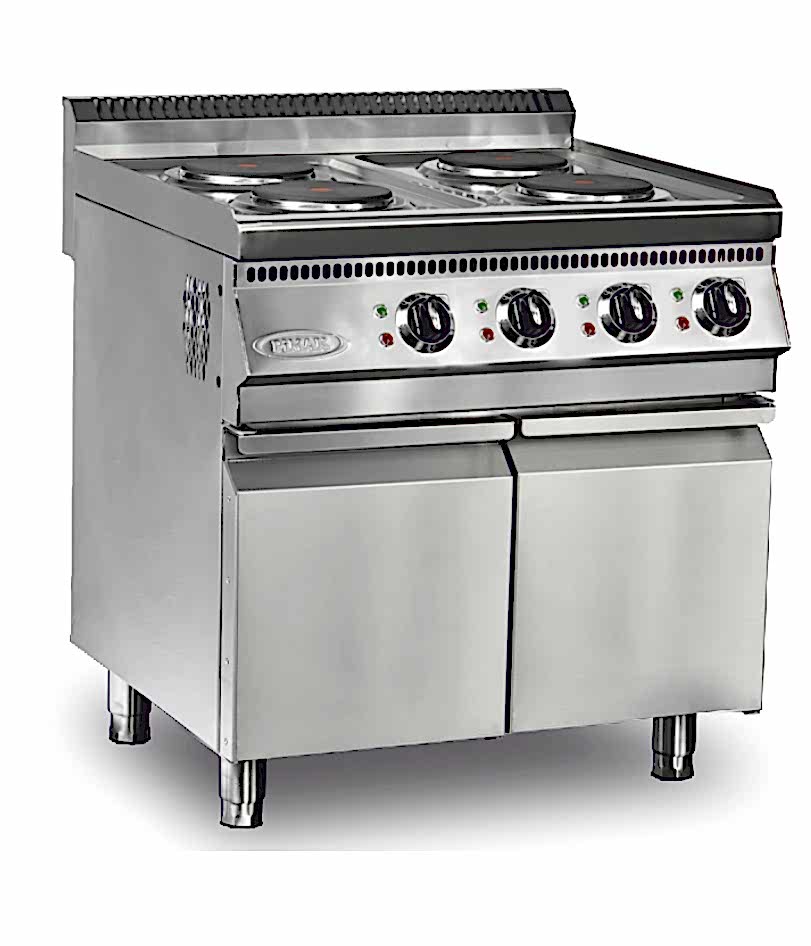
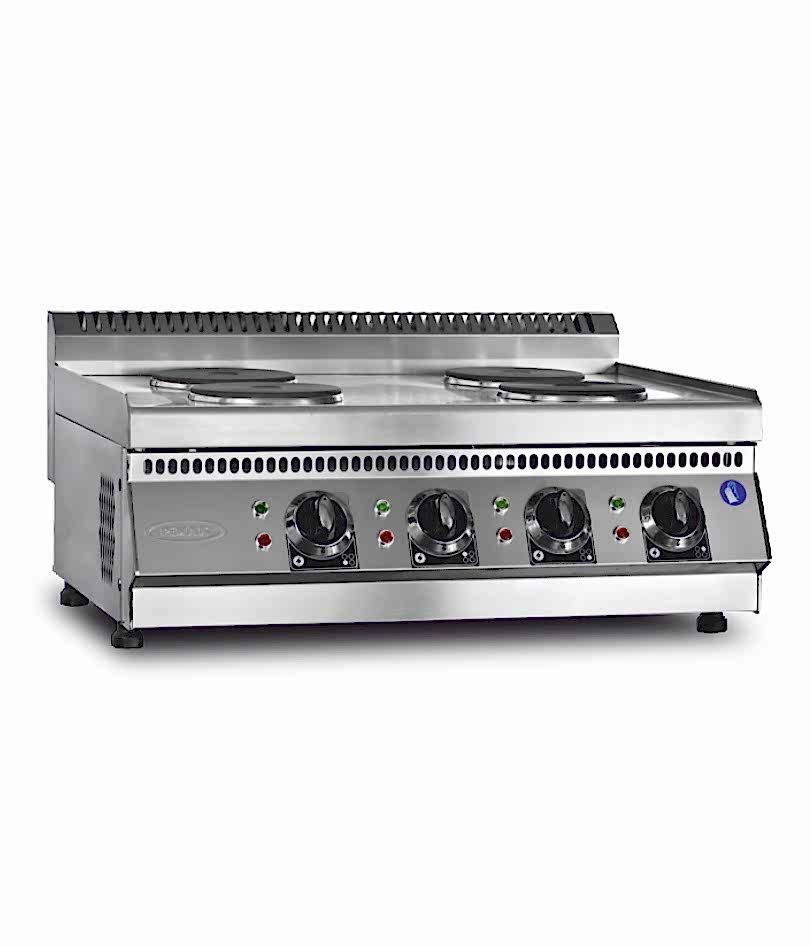
Electric industrial stoves are designed for businesses that prioritize stable heat distribution, ease of use, and a cleaner cooking environment. These models are often preferred in kitchens where gas infrastructure is limited or where specific operational requirements make electric systems more suitable. They offer consistent performance and are well suited for controlled cooking processes.
In addition to functionality, electric industrial stoves are appreciated for their simple maintenance and practical operation. Their smooth surfaces and straightforward controls support hygiene and daily cleaning, which is especially important in professional kitchens. Pimak electric stove solutions help businesses achieve reliable performance while maintaining comfort and efficiency in the workspace.
Induction industrial stoves represent a modern and energy-efficient cooking solution for commercial kitchens. Using electromagnetic technology, they heat cookware directly rather than heating the cooking surface itself. This allows for faster cooking, more precise temperature control, and improved energy efficiency compared to many conventional systems.
These stoves are particularly suitable for businesses that value speed, safety, and cleanliness. Because the surface remains relatively cooler, induction models can help create a safer working environment in busy kitchens. They are an excellent choice for modern restaurants, hotels, and specialized culinary spaces seeking advanced cooking technology with professional performance. Pimak induction solutions combine innovation with the reliability required in demanding commercial operations.
Modular industrial cooking ranges are designed for businesses that need flexibility in kitchen planning and equipment selection. These systems allow different cooking units to be combined according to operational needs, making them ideal for professional kitchens with customized workflows. Businesses can create a cooking line that fits their menu, service structure, and available space.
One of the main benefits of modular systems is scalability. As the business grows or kitchen requirements change, the cooking setup can be adapted more easily. This makes modular industrial cooking ranges a smart investment for restaurants, hotels, catering companies, and large-scale food production facilities. Pimak modular solutions are developed to offer professional kitchens a practical balance of performance, organization, and long-term efficiency.
Choosing between gas, electric, and induction industrial stoves depends on how your kitchen operates, what kind of dishes you prepare, and which infrastructure is available in your facility. Each option offers different advantages in terms of speed, control, energy efficiency, safety, and maintenance. Understanding these differences helps businesses invest in the most suitable solution for long-term performance.
Here is a practical comparison of the three main industrial stove types:
In summary, gas industrial stoves are ideal for businesses that value traditional cooking performance and strong heat power. Electric industrial stoves are a practical choice for kitchens seeking stable performance and ease of use. Induction industrial stoves are best for businesses looking for advanced efficiency, safety, and modern cooking technology. With Pimak, businesses can choose from professional stove solutions tailored to different kitchen structures and operational needs.
Selecting the right industrial stove is one of the most important decisions for a professional kitchen. The right equipment supports daily productivity, improves cooking consistency, and helps your team operate more efficiently under pressure. To make the best choice, businesses should evaluate not only the cooking appliance itself, but also how it fits their kitchen capacity, workflow, energy priorities, and safety requirements.
The first factor to consider is the overall capacity of your kitchen and the volume of food you prepare every day. A small café with limited menu output will have very different needs from a hotel kitchen or a large-scale catering operation. Choosing a stove that matches your production level helps prevent delays, overcrowding, and performance issues during busy service periods.
When the cooking volume is high, a more powerful and durable industrial stove becomes essential. Businesses that prepare multiple dishes at the same time need equipment that can handle continuous use without losing efficiency. Pimak industrial stove solutions are designed to support both moderate and intensive cooking operations with reliable long-term performance.
Burner count and heat power play a major role in the performance of an industrial stove. The number of burners should be selected according to the variety of dishes prepared at the same time and the speed required in daily operations. Kitchens with fast service flow often need more burners to maintain efficiency and avoid bottlenecks.
Power output is equally important because it determines how quickly and effectively the stove can handle different cooking techniques. Strong burner performance is especially valuable for boiling, searing, sautéing, and continuous batch cooking. Choosing the correct burner configuration ensures a better balance between workflow, cooking speed, and overall kitchen productivity.
An industrial stove should fit naturally into the kitchen layout without interrupting movement, preparation areas, or service flow. Before choosing a model, businesses should consider available space, access points, ventilation structure, and how the stove will interact with other kitchen equipment. A well-planned layout improves both comfort and operational efficiency.
Space compatibility is not only about dimensions, but also about functionality. The stove should support a smooth working environment where chefs and staff can move safely and work without unnecessary obstacles. Pimak offers industrial stove solutions that are suitable for different kitchen setups, helping businesses create a more organized and effective cooking area.
Energy consumption is a key decision factor for businesses that want to control operating costs while maintaining high performance. An efficient industrial stove can reduce unnecessary energy use and support more sustainable kitchen operations over time. This is especially important for businesses with long service hours and intensive daily production.
When comparing models, it is important to look at both energy source and performance efficiency. Gas, electric, and induction stoves each offer different advantages depending on the business type and infrastructure. Choosing an energy-efficient Pimak industrial stove helps businesses achieve strong cooking results while also improving cost efficiency in the long term.
Safety should always be a top priority when selecting industrial kitchen equipment. In busy commercial environments, stoves must provide stable operation, secure controls, and a design that minimizes risk for staff. Equipment that supports safe daily use contributes directly to smoother kitchen management and a more professional working environment.
Certification standards are also important because they reflect product quality, compliance, and reliability. Businesses should always choose industrial stove models that meet recognized safety and manufacturing standards. Pimak focuses on delivering dependable industrial kitchen equipment that combines performance, durability, and safety for professional food service environments.
Industrial stoves are essential in professional food service environments where speed, consistency, and durability are critical. Different businesses have different cooking demands, which means the ideal stove setup can vary depending on the scale of operation, menu structure, and service intensity. Understanding how industrial stoves are used in different settings helps businesses choose the most suitable solution for their kitchen.
Restaurant kitchens require equipment that can support fast service, menu variety, and continuous cooking throughout the day. In this environment, industrial stoves play a central role by allowing chefs to prepare multiple dishes at the same time while maintaining cooking consistency and workflow efficiency.
Whether the restaurant focuses on à la carte service, grilled dishes, soups, sauces, or high-volume lunch and dinner operations, a reliable industrial stove is one of the most important kitchen investments. Pimak industrial stove solutions help restaurant kitchens achieve strong performance, practical operation, and long-term durability under demanding daily conditions.
Hotel kitchens and other large-scale food production areas need equipment that can handle intensive, uninterrupted use. These kitchens often prepare breakfast, lunch, dinner, room service, banquet menus, and event catering within the same operation. For this reason, industrial stoves must deliver high capacity, powerful heat output, and dependable performance across different cooking tasks.
In large-scale kitchens, efficiency and organization are especially important. Industrial stoves support the preparation of large quantities of food while helping kitchen teams maintain timing and consistency. Pimak offers professional solutions for hotels and high-capacity kitchens that require robust equipment built for heavy-duty use.
Catering businesses operate in fast-moving environments where timing, flexibility, and production volume are key. Industrial stoves are essential for preparing large batches of food efficiently and maintaining quality across multiple orders or event-based services. They help catering teams manage intense preparation schedules while ensuring smooth kitchen operations.
Because catering kitchens often need to produce a wide variety of dishes within limited timeframes, stove performance directly affects service quality. Choosing the right industrial stove can improve cooking speed, workflow control, and overall productivity. Pimak industrial stove models provide catering businesses with reliable support for consistent and professional food preparation.
Bakery and pastry kitchens also benefit from industrial stove systems, especially when preparing fillings, syrups, creams, sauces, and other heat-based components. In these environments, precision, consistency, and controlled heat are extremely important to maintain product quality and repeatable results.
A professional industrial stove supports pastry chefs and bakery teams by offering dependable performance during long working hours and repetitive production cycles. For businesses focused on baked goods, desserts, and pastry preparation, Pimak provides durable and efficient stove solutions that fit the daily needs of professional bakery operations.
Industrial stoves offer major advantages for businesses that need reliable, high-performance cooking equipment in professional kitchens. Built for continuous use and demanding workloads, they help improve kitchen efficiency, support faster service, and deliver consistent cooking results. For restaurants, hotels, catering companies, bakeries, and other commercial food businesses, investing in the right industrial stove can make a significant difference in daily operations.
The main advantages of industrial stoves include:
With Pimak industrial stove solutions, businesses can benefit from dependable performance, durable construction, and practical functionality tailored to the needs of modern commercial kitchens.
Industrial stove pricing is influenced by several technical and operational factors rather than a single standard criterion. The type of energy source is one of the main elements, as gas, electric, and induction models differ in structure, technology, and performance features. Product size, burner count, and overall cooking capacity also play an important role, since larger and more powerful units are designed for heavier commercial use.
Material quality is another key factor. Industrial stoves manufactured with durable stainless steel and high-quality components are built for long-term performance in demanding kitchen environments. In addition, design details such as modular construction, ease of cleaning, safety systems, and user-friendly controls can also affect overall product value.
Brand reliability, production standards, and certification compliance are equally important when evaluating industrial stove options. Businesses should focus on durability, efficiency, and suitability for their kitchen operations. With Pimak, professional kitchens can benefit from industrial stove solutions designed for strong performance and long-lasting use.
The right size depends on your kitchen capacity, menu variety, and daily service volume. Small restaurants may need compact models, while busy kitchens usually require larger units with more burners and higher output. Choosing a stove that matches your workflow helps improve efficiency and avoid overcrowding.
It depends on your kitchen needs. Gas industrial stoves offer fast heat response and strong cooking power, while electric models provide stable heat and easier cleaning. The better option is the one that fits your cooking style, infrastructure, and operational priorities.
A high-quality industrial stove can last many years when used properly and maintained regularly. Its lifespan depends on build quality, usage intensity, and servicing frequency. Durable professional models from trusted brands like Pimak are designed for long-term commercial use.
Industrial stoves should be checked and serviced regularly to maintain performance and safety. In most professional kitchens, periodic maintenance is recommended at least once or twice a year, depending on usage intensity. More frequent inspections may be needed in high-volume operations.

© 1991 - 2021


 Home Page